Transformation strategy
Mapped the business impact across opportunity, quote, reporting, integrations, and downstream workflows.
Migrating revenue-critical enterprise workflows into a new Salesforce instance while consolidating platforms and reducing IT debt.
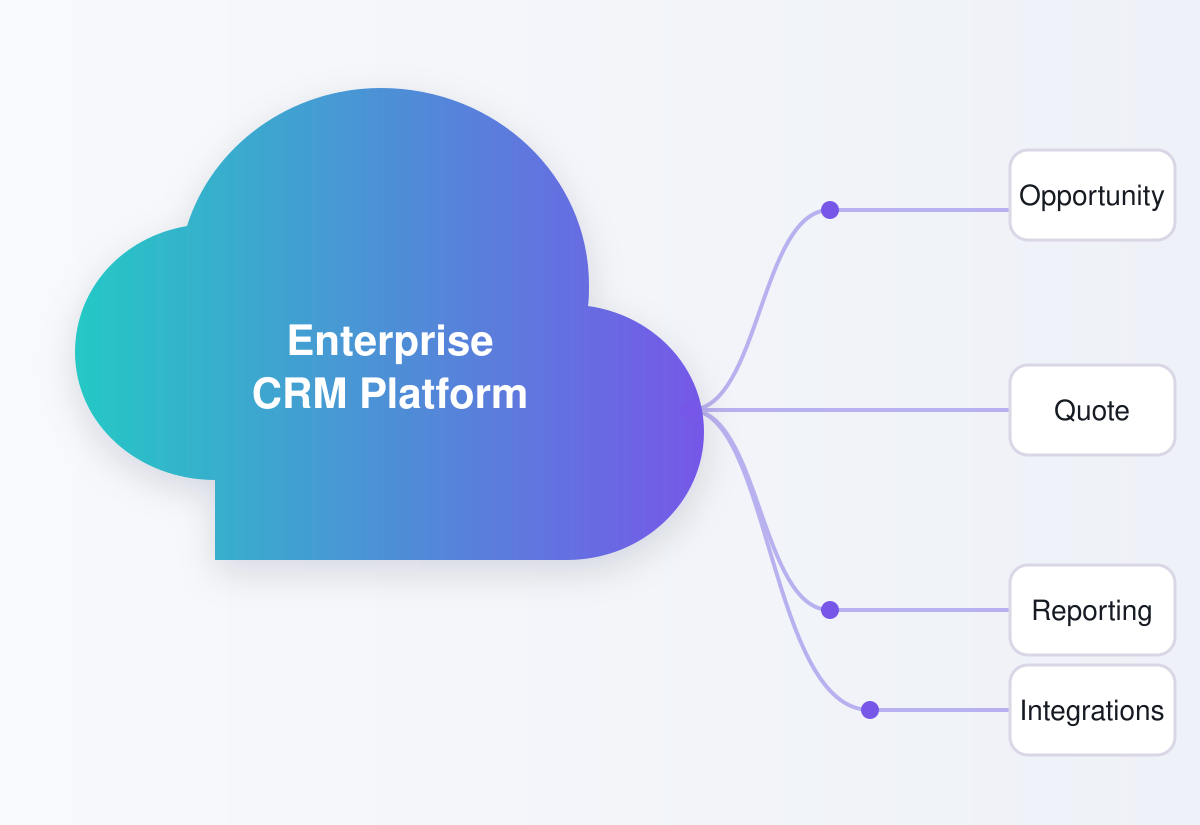
The migration touched opportunity, quote, product, reporting, permissions, integrations, downstream processes, audit controls, and the workflows teams relied on every day. It also supported consolidation of Salesforce instances and reduced accumulated technical debt.
Mapped the business impact across opportunity, quote, reporting, integrations, and downstream workflows.
Aligned Product, Engineering, Finance, Sales, Operations, Audit, and business users.
Coordinated testing, issue triage, go-live planning, and workflow validation.
Resolved critical blockers and protected revenue continuity during launch.
The new enterprise instance launched with zero revenue disruption, consolidated fragmented systems, improved governance, supported future scalability, and reduced long-term IT complexity.
Transformation is successful only when customers and revenue remain protected.
Every field, report, role, and integration reflects how the company works.
Reducing duplicate instances lowers cost and improves shared visibility.
UAT reveals where technical design and operational reality diverge.
Consolidating systems also clarified ownership, governance, reporting, and the way revenue-critical work moved across the organization.